Category : Trans

Why are trans people still left out of the AIDS narrative?

Originally published in Huck.

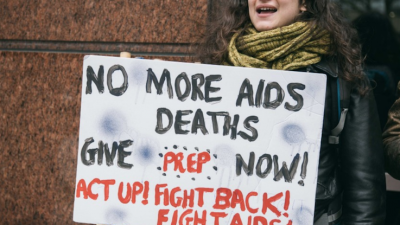
Despite huge advances in the treatment of HIV/AIDS, discrimination and marginalisation of trans people is exacerbating the risks this community face when it comes to condition.

Despite being left out of the wider HIV/AIDS narrative, the trans community and those living with the condition have long overlapped. Lou Sullivan, a US author and the first known gay trans man diagnosed with AIDS in 1987, spent many years campaigning for psychiatric and trans health organisations to recognise the existence of gay trans men. In the 1990s, Connie Norman, a trans woman living with HIV, served as a prominent member of Act Up in Los Angeles, and fought tirelessly for the world to pay attention to the AIDS crisis. Indeed, countless trans people living with the condition have followed in their footsteps as HIV/AIDS activists.

The past few decades have seen huge steps forward in the fight against HIV: an incredible 94 per cent of people living with HIV in the UK are diagnosed, with 98 per cent of these on treatment and 97 per cent having an undetectable viral load, meaning they cannot pass on HIV. But with trans people still excluded from the conversation, they are left woefully underserved by messaging on prevention, diagnosis and treatment.

General ignorance and wilful bigotry in the shape of transphobia has led to a dearth of research when it comes to the impact of HIV/AIDS on the trans community . What small amount of data there is, based on the 2014 UNAIDS Gap report, is riddled with flaws and gaps. Most ‘global’ studies skew towards the US, meaning it’s hard to extract specifics about the experiences of trans people dealing with HIV in the UK. There are also issues around the way that data on gender is collected, with the broad and amorphous category of ‘trans’ being inconsistently defined from study to study.

The data often refers only to trans women, and even this can be shaky, as in some studies, trans women have been misgendered and misclassified as gay or bisexual men. The UNAIDS report outright states that, as of 2014, “The impact of HIV on transgender men [had] yet to be established”. Information on HIV among non-binary people is even harder to come by.

On the data gap, the National Aids Trust stated: “Beyond not having accurate prevalence statistics for the UK, these data uncertainties effectively lead to the erasure of trans* people from debates around HIV and healthcare more broadly, and make it difficult to assess the range of services required to address HIV-related need among the trans* population in the UK.”

These gaps are beginning to be redressed – at least in some regions. Since 2017, Public Health England (PHE) has published data on trans people accessing HIV care in England, as well as those newly diagnosed. In April 2019, Peter Kirwan of PHE and Michelle Ross of CliniQ – the “holistic sexual health, mental health and wellbeing service” for trans, non-binary and gender diverse people – presented data drawn from the 2017 results of PHE’s updated HIV and AIDS Reporting System and self-reported data from a survey conducted by Positive Voices. While they found no observed difference between the standard of HIV-specific care accessed by cis or trans people, trans people living with HIV reported worse mental health and more discrimination than their cis counterparts.

Inclusive, reliable local research is vital to improving the provision of HIV-related care for trans people in the UK, allowing services to be tailored to the community and their actual needs, rather than perceived ones based on broad global statistics.

Rory Finn, who works on sexual health promotion with the Terrence Higgins Trust, points out that statistics like the oft-cited “trans women are 49 times more likely to acquire HIV than other adults” are misleading. While true across the world, the stat does not reflect the reality within the UK. Finn maintains that if we overstate the risks of trans women as a whole, “we underestimate the risks of certain trans people”.

Finn continues: “I identify as queer and gay, and I have sex with cis men, and time and time again, I find health information telling me that I shouldn’t be taking PrEP, because I’m not at risk of HIV. I find that really frustrating, because I know I’m at risk of HIV [as a trans man] […] I know of a few trans men who have become positive, when there were health interventions that could have been put in place.”

But these issues go deeper than just a lack of reliable data-sets and strong messaging. An ongoing climate of transphobia has exacerbated the problem, making trans people reluctant to access services not specifically geared towards them for fear of stigmatisation or rejection. These fears are not unfounded: 70 per cent of respondents to a recent survey by Trans Actual reported experiencing transphobia in a healthcare setting, and 14 per cent had been refused GP care on at least one occasion because they were trans. Almost half felt that their GP did not have a good understanding of their needs.

For trans people living with HIV, life at the intersection of two marginalised groups lays bare the shortcomings of a social environment not necessarily equipped to support either. The dual marginalisation often means that patients are passed from pillar to post, with some reporting that practitioners are eager to refer them back to gender identity or HIV-specific services, even for routine complaints. In these cases, GPs might attempt to pass a patient on to a gender identity clinic, only for the clinic to pass them back when it becomes apparent their needs fall outside their remit, ultimately making treatment more difficult to access.

“For me, it used to be [that GPs would] palm things off back to the gender clinic,” says Niamh Millar, a Living Well Specialist with the Terrence Higgins Trust, who is HIV positive. “Now it’s: ‘Is this anything to do with your [HIV positive] status?’ [Even though] you know when you go to the GP that it has nothing to do with that.”

Rory Finn believes these kinds of interactions put people off accessing health services, which in turn, could affect sexual health outcomes. “The broad brush of this is that trans people – regardless of their status – are facing health inequalities when accessing any healthcare, but in particular, NHS healthcare,” he says. “While I think sexual health and HIV medicine is much more enlightened, it doesn’t take away the experiences trans people have in other parts of healthcare, and those bad experiences will affect access to HIV and sexual health care.”

Millar agrees. Speaking about accessing support just over a decade ago, she recalls her concern about whether she would be accepted in a women’s group after telling them she had HIV. “Rather than the first concern being ‘I want to get help’, it’s ‘Will I be accepted when I make that step to get help?’” she says.

Often spearheaded by trans people themselves, there are charities and organisations attempting to plug the gaps in trans health provision with initiatives providing non-stigmatising, informed services for transgender patients. These organisations are primarily clustered in cities like London or Brighton. “We’re lucky in Brighton and Hove because we’ve got really good local provision,” says Finn. “That’s born out of the fact that we’re in a city that has a really large LGBTQ+ population, a large trans population […] That’s not being seen in the rest of the country.”

An expansion of these kinds of services, with trans people on-board at all levels, would make an enormous difference to sexual health outcomes and HIV care within the community. Many of those working in the field are clear on what is needed to allow all trans people living with HIV to live well, and to improve sexual health outcomes in general among the community. It is what Finn refers to as “cultural competence” – the understanding of the specific issues and experiences relevant to trans people, as well as a baseline of knowledge about trans health needs.

Trans people need improved access to healthcare in general, which in turn, will increase their confidence in accessing sexual health services. They need to know that when they seek support it will be provided to them, and that healthcare practitioners will be knowledgeable about their needs and not stigmatise them. This need is even more acutely felt for trans people living with HIV. If the UK government is serious about ending new diagnosis of HIV by 2030, then health services must be fit for purpose – for everyone who needs them.

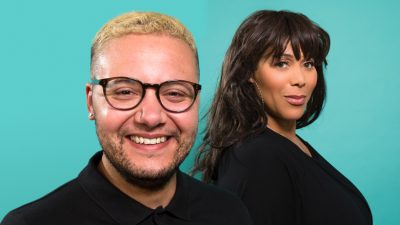
Trans people deserve healthy, happy sex lives – and that starts with better health care

By Rory Finn. First published in Metro UK, Sunday 10 Jan 2021 2:00 pm

Understanding my body in a sexual way has been something that’s taken time.

I am a transgender man who identifies as queer, and since I began my transition more than 12 years ago, I found I didn’t fit into the boxes outlined in mainstream sexual health information – if I was able to find that sort of information at all.

Anything targeted towards the kind of sex I was having didn’t include people with bodies and identities like mine, and I ended up having to look at sexual health articles published in women’s magazines to try and filter out what information would be useful for me and what was not.

This has been especially unhelpful being who I am now: a man who has sex with men.

I never really noticed just how much of an issue this was until a few years ago, when I started exploring my sexuality and the fetish community. I started to take increased risks with my sexual health, so was going to clinics more often and realised the lack of knowledge and information some clinicians have about trans people and our bodies.

I had a persistent fear that clinicians would regard me as ‘too difficult’ and I feared the inappropriate questions some asked me – others didn’t ask enough. The experience felt unsafe and eventually deterred me from going, hoping I could find any answers I needed through Google instead.

In fact, the first time I contracted an STI I was in denial; I didn’t even know what an STI symptom would look like on a body like mine and I hoped it would clear up by itself. When I was prescribed medication, I didn’t take it straight away.

The continued lack of knowledge and resources around transgender sexual health made me feel like I didn’t matter, that my body was an oddity and that I didn’t deserve good health – all on top of the stigma of having an STI.

And according to a survey by sexual health charity Terrence Higgins Trust, more than half (52%) of trans, non-binary and gender diverse people who responded said they didn’t feel fully in control of their sex life, with more than 70% saying that feelings of negativity and low mood or depression was a factor in this.

Once while I was travelling in Spain, I caught an infection that I believed to be an STI. I spent most of my time at the clinic explaining that I was a trans man, rather than discussing my medical concerns. I was eventually given some sort of prescription and sent on my way.

“Trans people should not have to rely on Google searches and outdated sexual health resources – we should be afforded the same information and representation that cisgender people have”

This was distressing; I was alone in a foreign country and I didn’t know what was wrong with me. But I was grateful not to have had to undergo an intimate examination.

Luckily, back in England I was able to go to a clinic specifically for trans people – Clinic T – and find out what medication the doctor gave me and why, which was really reassuring.

I knew about the clinic as I had been living in Brighton, where it is well known within the trans community as they do a lot of outreach at events like Trans Pride. But being in an LGBTQ+ friendly city with trans-inclusive services put me at an advantage. Unfortunately, it isn’t always like that, and I’ve still been in situations with a clinician not as trans aware as they could be.

I’m used to being the ‘expert patient’ who knows more about my healthcare than the person who’s supposed to be caring for me.

Then you have the professionals who, the minute they hear the word ‘trans’, automatically view you as a curiosity. Sometimes you are viewed as ‘high risk’ merely because your identity has changed on paper, rather than your behaviour in the bedroom. I regularly experienced this when I started my transition, and it made me feel more like a number in a database than a human being.

This seems to be an ever-present experience for trans people. It’s like, if we don’t fit into society’s strict gender categories, then we fall through the gaps and it makes accessing healthcare feel impossible.

Frustratingly, it could all easily be avoided if healthcare professionals actively built up their knowledge on trans bodies. Trans-awareness training would be helpful, or peer-to-peer learning and reading up on trans health from the ever-increasing body of research on trans medical issues.

Navigating the world as a trans person can be extremely challenging, but it’s even more difficult without valid sexual health information. It can make us feel like we don’t deserve to be seen or celebrated as authentic sexual beings. This is reinforced by the poor representation, such as overly sexualised porn or predatory tropes.

Trans people should not have to rely on Google searches and outdated sexual health resources – we should be afforded the same information and representation that cisgender people have.

This is why I decided to feature in and co-write the Terrence Higgins Trust trans-specific sexual health resource. It is led by and celebrates us as trans, non-binary and gender diverse people.

The new webpages and leaflet are directed to our specific needs and provide up-to-date information and advice on everything from HIV to contraception. They include the impact of hormones and surgery, considerations when taking HIV-prevention pill PrEP, and how to navigate happy, healthy sex.

It feels empowering to be able to do something proactive about something I care so deeply about. I want trans people to have good sex, good health and a healthcare system with as few barriers as possible.

All trans and non-binary people’s bodies should be celebrated, just like everyone else. We have sex too, and we’re deserving of enjoyable and healthy sex lives.

For more information, visit tht.org.uk/trans

Sexual health for trans and non-binary people

Very excited to be one of the contributing authors of this new THT guide, led by and celebrating trans, non-binary and gender diverse people.

Good sexual health is vital for everyone. Trans, non-binary and gender diverse people often find they are left out of mainstream information relating to health and wellbeing. This can leave us without any tools and relying on guesswork, and reading between the lines as to what is relevant for our health, our bodies and our identities.

Connecting in a sexual way to our bodies can be hard for some of us sometimes, but ultimately it can be a joyous experience. Everyone has a right to happy, healthy sex. Being able to access clear and concise information will help reduce health inequalities that trans and non-binary people experience. This in itself will contribute to our wellbeing and sense of self.

The resource is peer reviewed by sexual health clinician Dr Kate Nambiar and Dr Michael Brady, Medical Director at THT. The webpages are available by CLICKING HERE

Dr Kate Nambiar, sexual health and gender identity clinician, said: “I’m proud to be involved in such an important project to ensure the sexual health needs of trans and non-binary people are properly met. I have no doubt that what we’ve produced is so impactful because it’s based on the feedback of trans and non-binary people and our communities have been involved every step of the way.
“Good sexual health is vital for everyone but too often trans, non-binary and gender diverse people are left out of mainstream information relating to sexual health and feel uncomfortable accessing mainstream services. As trans people, we need to see ourselves in sexual health campaigns and know that the information is written with us in mind.

“As well as educating the community on sexual health, it’s important to celebrate and empower trans and non-binary people. I think we’ve achieved that aim and I’m excited for everyone to see the new webpages and leaflets.”

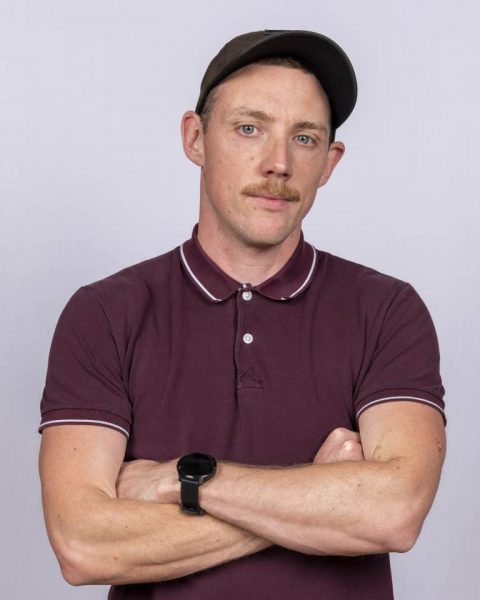
Rory Finn, Health Promotion Practitioner at THT in Brighton who worked on the new resources, said: “As a trans man, I sometimes feel as if I fall between the gaps. I’ve had numerous interactions with health professionals who don’t understand my body.

“Whenever I’ve tried to look up sexual health information for myself, the resources I find online are never detailed enough and don’t include bodies like mine. I have often had to resort to reading women’s health articles online, just to get some sort of understanding of how my body works. But even then, there’s a lot of guess work. I do not have a female body anymore.

“I decided to be a part of this resource because I want trans people, however they identify, to know that they are worthy of having an enjoyable and healthy sex life. Our bodies deserve to be empowered and celebrated, just like everyone else.”


Trans 101 training – half day course

An essential introduction to trans awareness helping participants to develop more trans-inclusive practice. Research from Stonewall (Jan 2018) revealed the shocking impact of widespread transphobia in the UK today and the impact this has on the mental health of trans, non-binary and genderqueer people.

This course will help increase knowledge and develop inclusive practice around:

  • The intersection between gender, sexuality, sex and gender presentations
  • The basics of social and medical transitioning
  • Trans mental health
  • Challenging transphobia

This course will count as 3.5 CPD hours and all participants will receive CPD certificates

Participants feedback about Trans 101

“That it’s ok to ask people. I had some fear of causing offence around this and I now feel more confident to compassionately open a conversation around pronouns”

Trans 101 helped me understand the struggles faced by trans people and helped me be more open – there is no short cut to understanding”

Delivered through MindOut, the Lesbian, Gay, Bisexual, Trans & Queer Mental Health Service, as well as in a private capacity.

Please contact me for more information.

Brighton Trans*formed

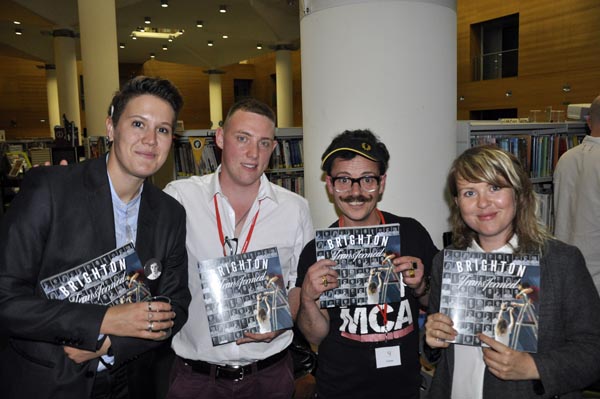
The groundbreaking book published in 2014 by QueenSpark Books chronicles the lives and experiences of Brighton and Hove’s Transgender community. It is a beautifully edited compendium of writing, memories, oral histories, design, photography and features, presenting the rich variety of Trans* lives in Brighton and Hove, in the contributors’ own words.

Juliet Jacques, who wrote the foreword, said: 

Brighton and Hove is a place where Trans* people are increasingly seen and heard, understood and respected, and Brighton Trans*formed shows how far we’ve come and how far there is to go.’”

The book’s contributors range from 18 to 81 years old, all with very different life experiences.

All of their testimonies have in common an absolute honesty and openness. Contributors shared their joys and tragedies, adversities faced, and a display of strength and resolve to be themselves. It was striking how contributors worked through confidence issues and self-protective boundaries to appear on posters, radio and in public art and the book, in order to express what being a Trans* person in Brighton is really like.

Trans* people in Brighton have a long history, but more recently, significant developments in how the community connects and organises itself have allowed new groups to blossom, complementing the stalwart Clare Project. These groups range from peer support (FTM Brighton and Transformers Youth Group at Allsorts), to social (Trans* Pride and Trans* Swimming Club) and activism (Trans* Alliance), and have been established and led by Trans*-identified people.

A percentage from the sale of each copy sold will be donated to local Trans* groups.

For over 40 years, QueenSpark Books has been producing books about the people of Brighton and Hove, with a focus on enabling less-heard voices to tell their stories. With Brighton Trans*formed this objective was paramount.

QueenSpark Books was approached by individuals eager to be involved in a project where editorial and creative control lay firmly with the community it was seeking to represent – a community whose voices have historically been distorted, misrepresented and sensationalised.

Rory Finn, a participant in the project, said:

“From young to old, many people question their gender identity, but often have no role models to turn to. This book is important, if for no other reason, because it says, “we were here”.

The book’s narrative is an overriding one of hope, not tragedy. Participants and editors sought to empower and enable the community with opportunities that, by virtue of its trans* status and all that this entails, had previously been unforthcoming.

This is what community projects, public art and oral testimony can do. Brighton Trans*formed was made possible with Heritage Lottery funding support.

To purchase the book, costing £5 online, CLICK HERE